
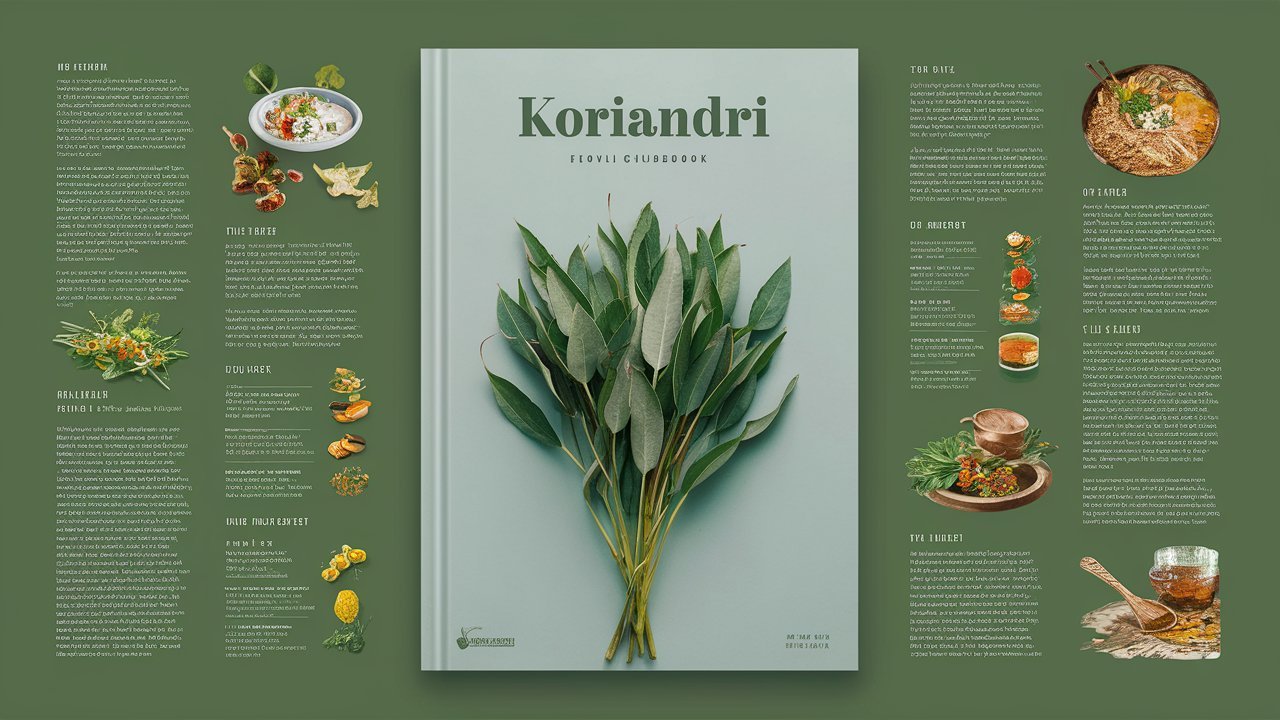
Koriandri, widely known as coriander or cilantro in many parts of the world, is a versatile herb used extensively in cooking, traditional medicine, and even home remedies. Its bright green leaves and aromatic seeds are highly valued for their distinct flavor and nutritional benefits. Koriandri has been part of culinary traditions for centuries, featuring prominently in Asian, Middle Eastern, Latin American, and European cuisines. Beyond its culinary appeal, koriandri is celebrated for its numerous health benefits, including antioxidant properties, digestive support, and anti-inflammatory effects. Understanding what koriandri is, its origin, nutritional value, culinary uses, and health benefits can help individuals make the most of this incredible herb in both cooking and wellness routines. This article provides a comprehensive guide to koriandri, offering insights into its uses, benefits, and practical tips, along with answers to frequently asked questions.
What Is Koriandri?
Koriandri refers to the leaves, stems, and seeds of the Coriandrum sativum plant, a member of the parsley family. In many cultures, the term koriandri is used to describe both the fresh leafy herb and the dried seeds, each offering unique flavor profiles and applications. The fresh leaves, often referred to as cilantro, provide a citrusy, slightly peppery taste, making them ideal for garnishing soups, salads, curries, and sauces. The seeds, sometimes called coriander seeds, have a warm, nutty, and slightly spicy flavor suitable for seasoning roasted dishes, pickles, and baked goods. Koriandri is rich in essential nutrients such as vitamins A, C, K, and minerals like potassium, calcium, and iron, which contribute to its wide-ranging health benefits. Its distinct aroma and flavor profile make it an indispensable ingredient in global cuisines.
Origin and History of Koriandri
Koriandri has a rich history that dates back thousands of years. Originating in the Mediterranean and Middle Eastern regions, it gradually spread to India, China, and Europe due to trade and migration. Archaeological evidence suggests that coriander seeds were used as far back as 5,000 BC, both as a culinary spice and for medicinal purposes. In ancient cultures, koriandri was valued for its digestive, antibacterial, and aromatic properties. Today, koriandri is cultivated worldwide, from Asia and Europe to the Americas, and continues to be a vital component in both traditional and contemporary cooking. Its historical significance underscores its enduring popularity and the cultural importance of koriandri in various culinary traditions.
Health Benefits of Koriandri
Koriandri offers a remarkable array of health benefits, making it more than just a flavorful herb. Some of its key health advantages include:
-
Rich in Antioxidants: Koriandri contains compounds like quercetin and polyphenols, which combat oxidative stress and protect cells from damage.
-
Supports Digestion: Both fresh leaves and seeds aid digestion, reduce bloating, and can help alleviate gas and stomach discomfort.
-
Anti-Inflammatory Properties: The herb’s natural compounds may help reduce inflammation, supporting joint health and overall wellness.
-
Blood Sugar Management: Studies suggest that koriandri seeds may help regulate blood sugar levels, making it beneficial for people managing diabetes.
-
Heart Health: Koriandri contains potassium and other essential minerals that help maintain healthy blood pressure and cardiovascular function.
By incorporating koriandri into daily meals, individuals can enjoy these benefits while enhancing the flavor and aroma of their dishes.
Culinary Uses of Koriandri
Koriandri is extremely versatile in the kitchen. Some practical uses include:
-
Fresh Leaves: Add to salads, soups, curries, salsas, and chutneys for a fresh, zesty flavor.
-
Seeds: Roast or grind coriander seeds to season meats, vegetables, and pickled dishes.
-
Infusions: Use leaves or seeds to make herbal teas or detox drinks that support digestion and overall health.
-
Garnish: Sprinkle chopped koriandri leaves on top of dishes to enhance aroma and visual appeal.
Its adaptability allows it to pair well with both vegetarian and non-vegetarian dishes, and it complements spices such as cumin, turmeric, and chili for richer flavor profiles.
Tips for Using and Storing Koriandri
To maximize the flavor and nutritional benefits of koriandri:
-
Storage: Fresh leaves should be stored in a refrigerator in a damp paper towel or airtight container to maintain freshness.
-
Drying: Seeds should be stored in a cool, dry place to preserve their flavor and aroma.
-
Cooking Tips: Add fresh leaves at the end of cooking to retain aroma, while seeds can be used during cooking to release flavor.
-
Pairing: Koriandri works well with lemon, garlic, ginger, and other herbs like mint and parsley to enhance taste and health benefits.
Following these tips ensures that koriandri remains flavorful and retains its health-promoting properties.
Conclusion
Koriandri is much more than a simple culinary herb. With its rich history, unique flavor, and numerous health benefits, it has earned its place in kitchens and traditional remedies around the world. From supporting digestion and reducing inflammation to enhancing the taste of dishes, koriandri is a versatile and valuable herb. Understanding its origin, nutritional value, and practical uses allows individuals to incorporate it thoughtfully into their diets, improving both health and culinary experiences. Whether you use the fresh leaves, seeds, or both, koriandri is an essential addition to any kitchen seeking flavor, aroma, and wellness benefits.
❓ Frequently Asked Questions (FAQ) About Koriandri
Q1: What is koriandri?
Koriandri refers to the leaves, stems, and seeds of the Coriandrum sativum plant, commonly used as an herb and spice in cooking.
Q2: What are the health benefits of koriandri?
Koriandri supports digestion, provides antioxidants, helps reduce inflammation, and may aid in blood sugar management and heart health.
Q3: How do I use koriandri in cooking?
Use fresh leaves for salads, soups, and garnishes; use seeds roasted or ground to flavor meats, vegetables, and pickles.
Q4: How should koriandri be stored?
Fresh leaves should be stored in a refrigerator in a damp paper towel or airtight container, while seeds should be kept in a cool, dry place.
Q5: Where does koriandri originate from?
Koriandri originated in the Mediterranean and Middle Eastern regions and has been cultivated and used globally for thousands of years.
