
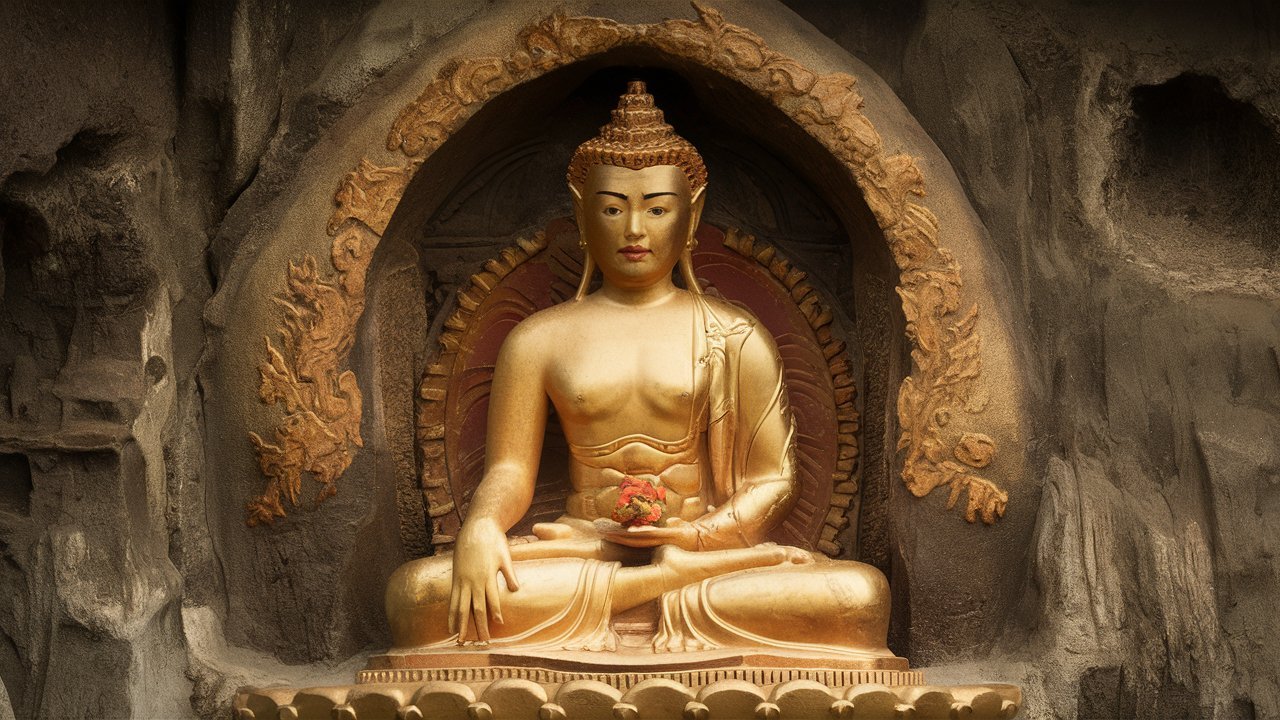
Dojen Moe is a term that has recently begun to attract attention in creative, cultural, and digital spaces. While its exact origin may vary depending on interpretation, Dojen Moe represents a fascinating blend of artistic expression, emotional depth, and cultural symbolism. It can be seen as a concept that embodies the fusion of traditional aesthetics with modern creativity — a reflection of how art, emotion, and identity evolve in the digital age. In a world where culture and technology intersect more than ever before, Dojen Moe stands as a symbol of individuality, imagination, and emotional resonance. This article explores the meaning of Dojen Moe, its possible origins, its influence on art and culture, and why it continues to inspire creators and audiences alike.
The Meaning and Concept of Dojen Moe
The meaning of Dojen Moe can be interpreted as a representation of emotional and artistic harmony. The term evokes a sense of balance between feeling and form — between the inner world of emotion and the outer world of creative expression. In many interpretations, Dojen Moe symbolizes the idea that art is not merely a visual or auditory experience but an emotional language that connects people across cultures and generations.
In today’s digital world, artists and creators use technology to express emotions in new and innovative ways. Whether through digital illustration, music, or storytelling, Dojen Moe captures the essence of this transformation — the blending of traditional artistic values with contemporary tools and perspectives. It is both a philosophy and a movement that celebrates authenticity, emotion, and the power of imagination.
The Origin and Evolution of Dojen Moe
The origin of Dojen Moe is somewhat enigmatic, adding to its allure.The word “Moe” itself is often associated with affection, admiration, or emotional connection in Japanese pop culture, particularly in art and animation. When combined with “Dojen,” it may represent a deeper, more philosophical interpretation — one that transcends surface-level emotion and delves into the essence of human creativity.
Over time, Dojen Moe has evolved into a broader concept that resonates with artists, writers, and thinkers around the world.In this sense, Dojen Moe is both timeless and contemporary — rooted in tradition yet constantly evolving with the digital age.
Dojen Moe in Art and Digital Culture
The role of Dojen Moe in art and digital culture is significant, as it represents the merging of emotion and technology.In digital media, it manifests through animation, design, and storytelling that connect emotionally with audiences.
The rise of digital platforms has allowed creators to share their interpretations of Dojen Moe with global audiences. From digital paintings that capture fleeting emotions to immersive virtual experiences that explore human connection, Dojen Moe has become a symbol of how art adapts to new mediums while retaining its emotional core. It encourages artists to explore vulnerability, authenticity, and empathy — qualities that resonate deeply in an increasingly digital and disconnected world.
The Emotional Philosophy of Dojen Moe
At its heart, Dojen Moe is a philosophy of emotion. It teaches that true creativity arises from emotional honesty — from the courage to express one’s inner world without fear of judgment. This philosophy aligns with ancient artistic traditions that view art as a reflection of the soul. In this sense, Dojen Moe is not just about creating beauty but about revealing truth.
Emotion in art has always been a powerful force, capable of transcending language and culture. Dojen Moe emphasizes this universality, reminding us that emotions are the foundation of human connection. Whether expressed through a painting, a poem, or a digital animation, the essence of Dojen Moe lies in its ability to evoke empathy and understanding. It is a call to embrace emotion as a source of strength and creativity rather than weakness.
The Influence of Dojen Moe on Modern Creativity
The influence of Dojen Moe on modern creativity can be seen across various artistic disciplines. In visual arts, it inspires minimalist yet emotionally rich compositions. In literature, it encourages introspective storytelling that explores the complexities of human emotion. In music, it manifests as melodies that evoke nostalgia, longing, or joy.
In the digital realm, Dojen Moe has inspired a new generation of creators who blend technology with emotion. From digital illustrators to game designers, many artists are using the principles of Dojen Moe to create experiences that are not only visually stunning but emotionally immersive. This approach reflects a growing desire for authenticity in an age dominated by artificiality and superficiality.
The Cultural Significance of Dojen Moe
The cultural significance of Dojen Moe lies in its ability to bridge the gap between tradition and modernity. It honors the emotional depth of traditional art forms while embracing the innovation of digital expression. In doing so, it creates a dialogue between past and present — between the timeless human need for connection and the modern tools that make that connection possible.
Dojen Moe also represents a shift in how people perceive art and emotion. It challenges the notion that technology diminishes creativity, showing instead that digital tools can amplify emotional expression when used with intention and sensitivity. As a cultural movement, Dojen Moe encourages inclusivity, diversity, and emotional awareness — values that are essential in today’s interconnected world.
Conclusion
Dojen Moe is more than a term; it is a reflection of the human spirit’s capacity for emotion, creativity, and connection. It symbolizes the harmony between tradition and innovation, between feeling and form. In a world where technology often overshadows emotion, Dojen Moe reminds us that art’s true power lies in its ability to touch the heart and awaken the soul.
As digital culture continues to evolve, Dojen Moe stands as a guiding philosophy for artists, thinkers, and dreamers. It invites us to create with authenticity, to feel deeply, and to share those feelings through the universal language of art. In essence, Dojen Moe is not just about what we create — it is about who we become through the act of creation.
