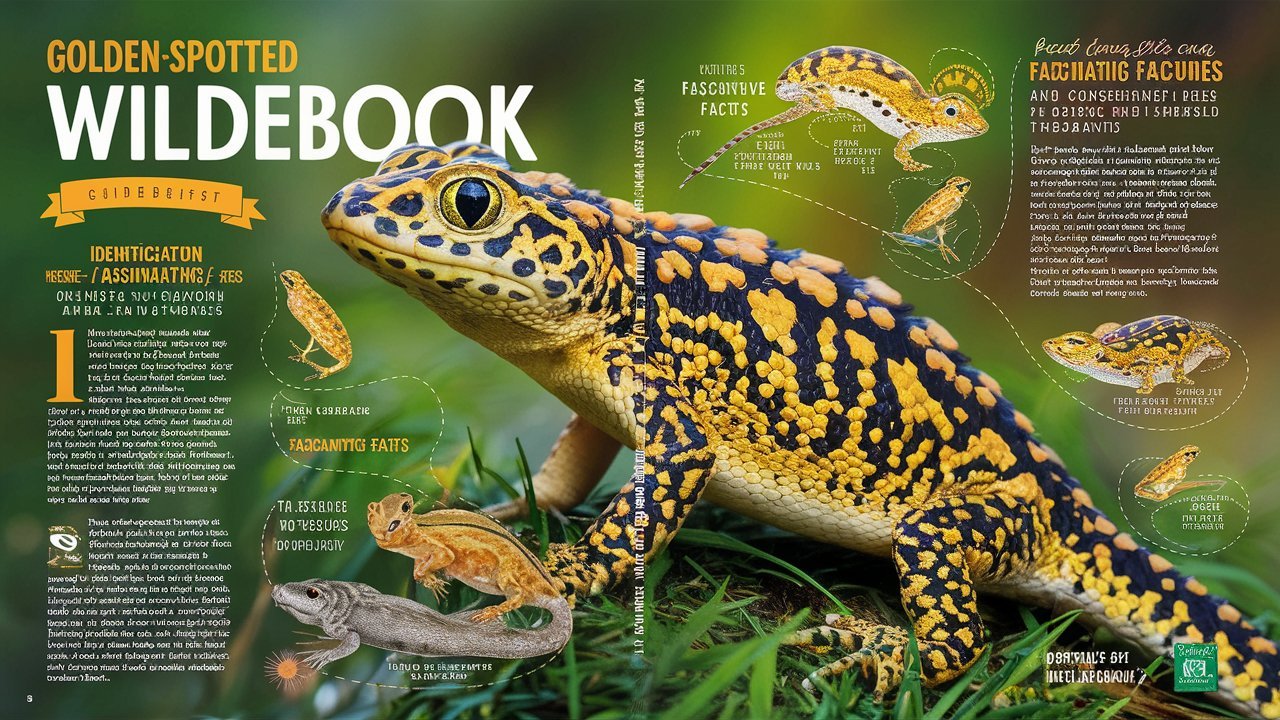
Golden-Spotted Wildlife: Identification Guide, Habitat, Facts, and Conservation
The term golden-spotted describes plants, animals, insects, reptiles, fish, and even birds that display beautiful golden-colored spots on their bodies. These striking patterns are not only visually attractive but often serve important biological purposes such as camouflage, communication, predator avoidance, and mate attraction. Across forests, deserts, wetlands, coral reefs, freshwater lakes, and tropical rainforests, numerous golden-spotted species have evolved unique markings that help them survive in diverse environments.
Golden spots may appear as tiny speckles, bold circular patches, irregular markings, or shimmering scales depending on the species. Scientists study these patterns to better understand animal evolution, habitat adaptation, and biodiversity. Nature lovers, wildlife photographers, researchers, and hobbyists are equally fascinated by golden-spotted organisms because of their beauty and ecological significance.
This comprehensive guide explores the meaning of golden-spotted characteristics, where these organisms live, why their markings matter, notable examples from around the world, conservation challenges, and frequently asked questions. Whether you are interested in wildlife, gardening, aquariums, or biology, this article provides an in-depth overview of the fascinating world of golden-spotted species.
What Does Golden-Spotted Mean?
The phrase golden-spotted refers to any living organism that displays distinctive golden-colored spots, dots, speckles, or patches on its body, wings, leaves, skin, scales, or feathers. These markings may vary greatly in size, color intensity, and arrangement depending on the species.
Golden spotting is usually caused by pigments, reflective cells, specialized scales, or unique leaf variegation. In many cases, the spots are genetically inherited, while environmental factors such as diet, age, or seasonal changes may influence their brightness.
The term is descriptive rather than scientific and can apply to many different organisms across the natural world.
Why Do Golden-Spotted Patterns Exist?
Golden-spotted patterns serve several important biological functions that increase an organism’s chances of survival. Evolution has favored these markings because they provide practical advantages in different environments.
Camouflage is one of the most common reasons. Golden spots can blend with sunlight filtering through forest leaves, sandy riverbeds, rocky surfaces, or coral reefs, making predators less likely to detect the animal.
Many species also use their spots to attract mates during breeding seasons. Bright, healthy coloration often signals good genetics and overall fitness, increasing reproductive success.
Some golden-spotted organisms use warning coloration to indicate toxicity or unpleasant taste, discouraging predators from attacking. Others rely on their patterns for species recognition, helping individuals identify members of their own species.
In aquatic environments, reflective golden spots scatter light, making fish more difficult for predators to track.
Golden-Spotted Animals Around the World
Numerous animal species display remarkable golden-spotted patterns. Some are common while others are rare or endangered.
Several tropical fish feature golden spotting across their scales, allowing them to blend into coral reefs or underwater vegetation. Certain frogs possess golden speckles that help camouflage them among wet leaves and moss.
Many butterfly species display brilliant golden markings on their wings, which shimmer differently depending on sunlight angles. Some beetles exhibit metallic golden spots that appear almost jewel-like.
Certain snake species have golden dorsal markings that help them remain hidden among dry grasses and leaf litter. Lizards may also display golden spotting as part of their natural camouflage.
Large mammals occasionally exhibit golden-spotted coats, especially young individuals whose juvenile markings gradually disappear as they mature.
Golden-Spotted Fish
Golden-spotted fish are especially popular among aquarium enthusiasts and marine biologists. These fish may inhabit freshwater rivers, lakes, streams, or marine coral reefs.
Their golden spots often function as camouflage among aquatic plants, rocks, and sunlight reflections. Some species become more colorful during breeding seasons, while others maintain consistent coloration throughout life.
Aquarium keepers appreciate golden-spotted fish because of their vibrant appearance and peaceful behavior. Proper water quality, balanced nutrition, and suitable tank environments help maintain healthy coloration.
Different species require different care conditions, so accurate identification is important before introducing them into home aquariums.
Golden-Spotted Insects
The insect world contains numerous golden-spotted species. Butterflies, moths, beetles, dragonflies, and ladybird beetles often display golden markings that create spectacular visual effects.
These patterns may deter predators by mimicking dangerous species or may simply help insects blend into flowers, leaves, bark, or sunlight.
Scientists continue studying insect coloration because it provides valuable insights into evolution, adaptation, and ecological relationships.
Golden-Spotted Reptiles and Amphibians
Several reptiles and amphibians exhibit beautiful golden-spotted patterns throughout their lives.
Some frogs use their golden spots to blend into rainforest vegetation, while salamanders rely on bright markings to warn predators about defensive chemicals.
Many lizards display golden spotting during breeding seasons when males compete for mates. Certain snakes also possess golden dorsal markings that provide effective camouflage in grasslands and forests.
These adaptations demonstrate how coloration plays a crucial role in survival.
Golden-Spotted Birds
Although less common than in fish or insects, some birds feature golden-spotted plumage on their wings, backs, or tails.
These feather patterns may assist with mate attraction, territorial displays, or camouflage while nesting. Sunlight reflecting from golden markings creates dazzling visual displays that are particularly noticeable during courtship.
Birdwatchers often seek these species because their distinctive coloration makes them especially rewarding to observe and photograph.
Golden-Spotted Plants
Golden-spotted plants are prized by gardeners for their ornamental beauty. Their leaves feature attractive golden speckles, streaks, or variegated patterns that brighten indoor and outdoor spaces.
These plants often require adequate sunlight, proper watering, and nutrient-rich soil to maintain vivid coloration. Many are grown as decorative houseplants, while others thrive in gardens and landscaped areas.
Golden variegation adds year-round visual interest and contrasts beautifully with solid green foliage.
Habitats of Golden-Spotted Species
Golden-spotted organisms occupy an impressive variety of habitats across the globe. Tropical rainforests provide ideal environments for colorful insects, amphibians, and birds.
Freshwater lakes and rivers support numerous golden-spotted fish species, while coral reefs shelter brilliantly patterned marine life.
Grasslands, wetlands, deserts, mountains, and temperate forests also host species whose golden spotting has evolved to match local environmental conditions.
Habitat preservation remains essential for protecting these unique organisms and maintaining biodiversity.
Importance in Ecosystems
Golden-spotted species contribute significantly to healthy ecosystems. Fish help regulate aquatic food webs, insects pollinate flowering plants, amphibians control insect populations, and birds disperse seeds.
Predators and prey maintain balanced ecological relationships that support overall biodiversity. Every golden-spotted organism plays a specific role within its habitat, demonstrating the interconnected nature of ecosystems.
Protecting these species ultimately benefits entire ecological communities.
Conservation Challenges
Many golden-spotted species face increasing threats due to habitat destruction, pollution, climate change, invasive species, and illegal wildlife trade.
Deforestation removes critical habitats for forest-dwelling animals, while water pollution threatens freshwater and marine species. Rising global temperatures alter ecosystems faster than many organisms can adapt.
Conservation organizations work to establish protected areas, restore degraded habitats, conduct scientific research, and educate communities about biodiversity conservation.
Public awareness and sustainable environmental practices remain essential for ensuring the long-term survival of golden-spotted wildlife.
Interesting Facts About Golden-Spotted Species
Golden-spotted patterns have evolved independently in many unrelated species through convergent evolution. Some golden spots appear metallic because microscopic structures reflect light rather than relying solely on pigments. In certain animals, spot brightness changes with age, season, or reproductive condition. Scientists frequently use spotting patterns to identify individual animals in wildlife research. Many golden-spotted insects possess ultraviolet patterns invisible to humans but easily detected by other insects. Aquarium enthusiasts often select golden-spotted fish because of their striking appearance and peaceful behavior. Advances in genetics continue revealing how complex coloration patterns develop during growth and evolution.
How to Observe Golden-Spotted Wildlife Responsibly
Observing wildlife responsibly helps protect both animals and their habitats. Maintain a respectful distance, avoid disturbing nests or breeding areas, and never feed wild animals. Use binoculars or zoom lenses instead of approaching closely. Stay on designated trails when visiting nature reserves, and follow local conservation regulations. Responsible wildlife observation allows future generations to enjoy these remarkable golden-spotted species while minimizing human impact on natural ecosystems.
Conclusion
Golden-spotted species represent some of nature’s most fascinating examples of adaptation, beauty, and biodiversity. Their distinctive golden markings serve important functions ranging from camouflage and communication to mate selection and predator avoidance. Found among fish, insects, reptiles, amphibians, birds, plants, and other organisms, these remarkable patterns highlight the incredible diversity of life on Earth. Continued conservation efforts, habitat protection, and scientific research are essential to preserving these extraordinary species for future generations. By learning about and appreciating golden-spotted wildlife, we contribute to a greater understanding of the natural world and the importance of protecting its rich biological heritage.
Frequently Asked Questions (FAQ)
What does golden-spotted mean?
Golden-spotted refers to any organism that has noticeable golden-colored spots, speckles, or markings on its body, leaves, scales, feathers, or skin.
Why do animals have golden spots?
Golden spots help with camouflage, attracting mates, warning predators, species recognition, and adapting to different environments.
Are golden-spotted animals rare?
Some are common, while others are rare or endangered depending on their habitat, geographic distribution, and conservation status.
Do golden-spotted fish make good aquarium pets?
Many species do, provided they receive appropriate water conditions, nutrition, compatible tank mates, and proper care.
Can plants naturally have golden spots?
Yes. Many ornamental plants develop natural golden spotting or variegation due to genetics, pigmentation, or specialized leaf tissues.
Why is conserving golden-spotted species important?
Conserving these species helps maintain biodiversity, supports healthy ecosystems, protects genetic diversity, and preserves the natural heritage of future generations.
What habitats do golden-spotted species live in?
They can be found in tropical rainforests, freshwater lakes, rivers, wetlands, coral reefs, grasslands, forests, mountains, and even home gardens, depending on the species.
How can I identify a golden-spotted species?
Identification usually involves observing the size, shape, color, arrangement of the golden spots, body features, habitat, and behavior, often with the help of field guides or reputable wildlife resources.