
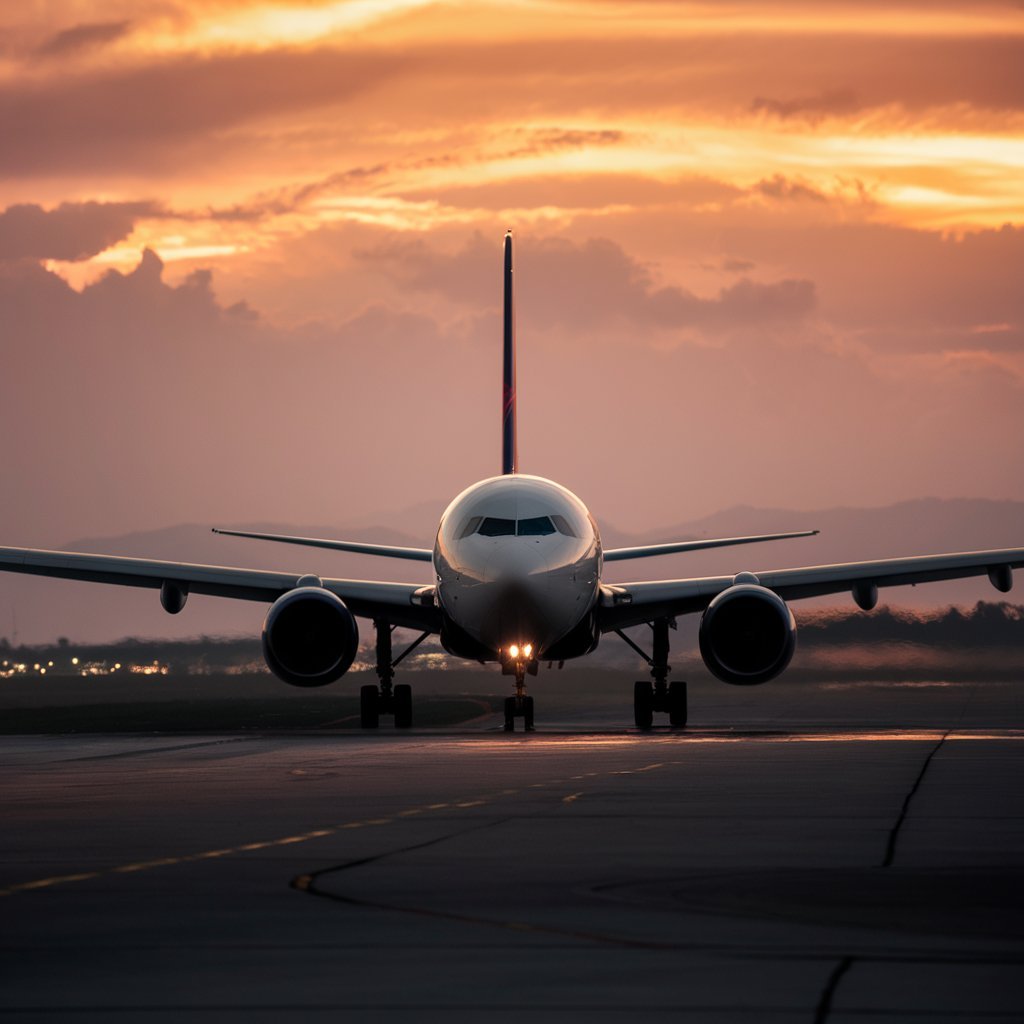
When a scheduled long-haul flight unexpectedly changes course and lands at a different airport, it instantly becomes a topic of intense public and passenger interest. Such was the case for Delta Flight DL275 Diverted to LAX, a trans-Pacific service originally departing from Detroit Metropolitan Wayne County Airport (DTW) bound for Tokyo Haneda Airport (HND).In the case of DL275, the diversion to LAX was driven by safety concerns triggered by equipment issues at altitude.
Why Did the Crew Choose LAX as the Diversion Airport?
Choosing an alternate airport involves more than simply finding the nearest runway. Pilots and airline dispatchers must consider many factors, including weather conditions, airport equipment, aircraft capabilities, maintenance support, passenger welfare, and overall safety. In the case of DL275, the anti-ice system malfunction raised enough concern that continuing to the original destination over a vast ocean route was judged to carry excess risk.
Passenger Impact and Airline Response
For passengers aboard DL275, the diversion came as a surprise after many hours in the air. Long-haul flights involve careful planning of meals, rest periods, and connecting flights, so an unexpected landing can affect onward travel plans. However, Delta Air Lines acted in accordance with industry protocols by ensuring the aircraft was safely on the ground at LAX and initiating passenger care services immediately. Although the rest of the journey to Tokyo was canceled, Delta worked to rebook passengers on alternate flights to complete their travel as soon as feasible. The airline’s rapid response demonstrated its commitment to passenger safety and comfort in irregular operations — a key expectation in modern aviation.
Broader Implications for Airline Safety
Flight diversions such as that of DL275 highlight the complexity and precision of airline safety procedures. Modern commercial aircraft like the Airbus A350 are equipped with sophisticated monitoring systems that alert crews and dispatchers to potential issues long before they become emergencies. The detection of the anti-ice system malfunction and the crew’s decision to divert underscores how safety protocols are designed to err on the side of caution, even when no immediate danger is present. Diversions to well-equipped hubs such as LAX are part of contingency planning that ensures passengers, crews, and aircraft are kept out of harm’s way whenever possible.
Conclusion
The diversion of Delta Flight DL275 Diverted to LAX to Los Angeles International Airport remains a clear example of how airline safety protocols are applied in real-world scenarios. What began as a routine trans-Pacific flight transformed into a carefully managed event in which the crew and airline prioritized safety above all else. By recognizing a potential system malfunction, selecting an appropriate diversion airport, and ensuring all passengers landed securely and were accommodated afterward, Delta demonstrated the importance of training, aviation infrastructure, and decisive leadership in aviation operations. As international travel continues to grow and aircraft technology becomes even more advanced, such diversions serve as important reminders of the robust safety nets that protect passengers every day.
Frequently Asked Questions (FAQ)
What caused Delta Flight DL275 to divert to LAX?
Delta Flight DL275 was diverted due to an issue with the aircraft’s engine anti-ice system detected mid-flight over the North Pacific, prompting a safety-focused reroute to Los Angeles International Airport.
Where was Flight DL275 originally going?
The flight was scheduled to travel from Detroit Metropolitan Wayne County Airport (DTW) to Tokyo Haneda Airport (HND).
Did anyone get hurt during the diversion?
No injuries were reported among passengers or crew during the diversion and landing at LAX.
