
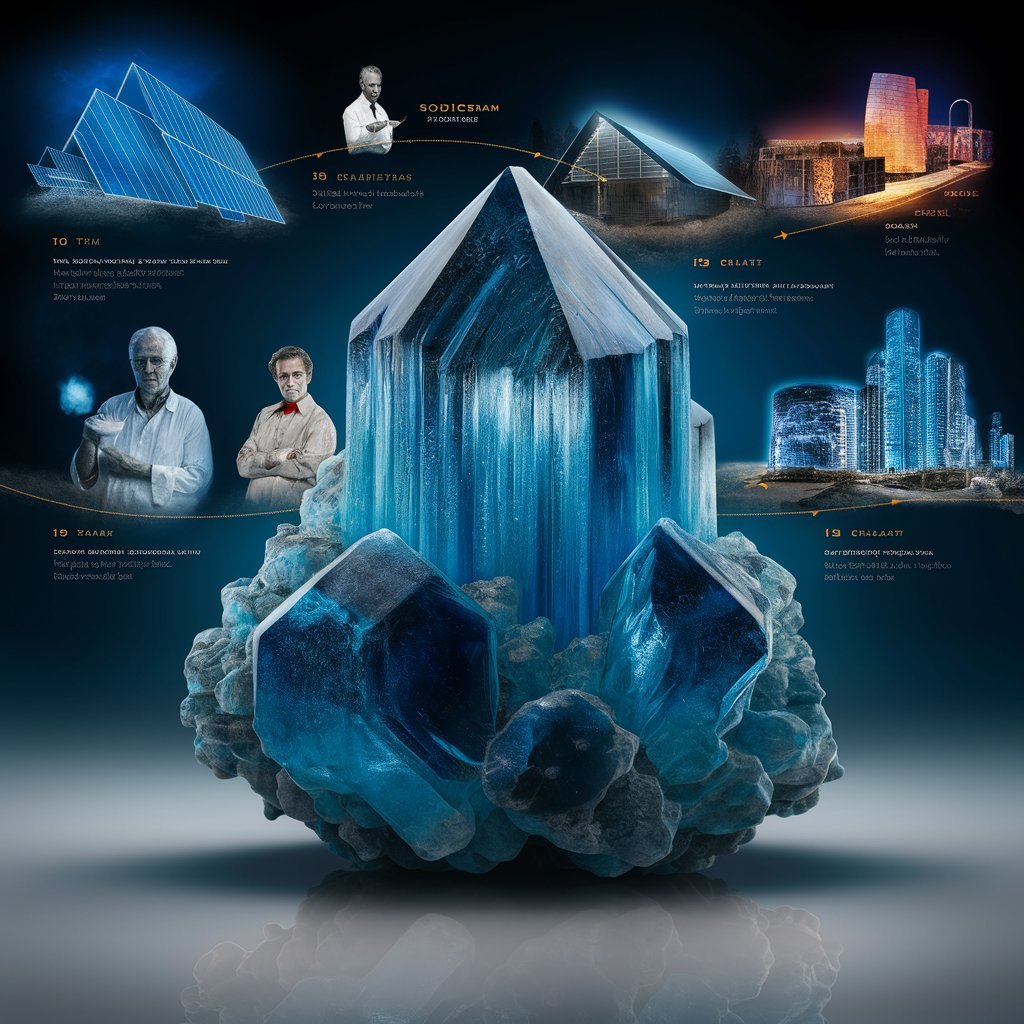
Sodiceram is a term that has begun to attract attention in discussions related to technology, materials science, and industrial innovation. With its distinctive sound and modern tone, sodiceram evokes curiosity and sophistication.In an era where industries are rapidly evolving toward efficiency, durability, and environmental responsibility, sodiceram symbolizes the fusion of science, creativity, and progress. This article explores the meaning, origins, and potential applications of sodiceram, its relevance in modern technology, and how it reflects the growing importance of innovation in shaping the future.
The Origins and Meaning of Sodiceram
The origin of sodiceram appears to be rooted in the combination of “sodi,” possibly derived from sodium or solid, and “ceram,” which is commonly associated with ceramics. This suggests that sodiceram could refer to a type of ceramic material or technology that incorporates advanced chemical or structural properties. Ceramics have long been valued for their strength, heat resistance, and versatility, and modern innovations have expanded their use into industries such as aerospace, electronics, and renewable energy. Sodiceram, therefore, may represent a new generation of engineered ceramics designed for high performance and sustainability. Its name conveys both scientific precision and modern innovation, making it a fitting term for cutting-edge material technology.
The Role of Sodiceram in Modern Technology
The role of sodiceram in modern technology is potentially transformative. Advanced ceramics are used in a wide range of applications, from electronic components and medical devices to energy systems and industrial machinery. If sodiceram refers to a specialized ceramic material, it could play a crucial role in improving efficiency, durability, and environmental performance across multiple sectors. For example, ceramics are essential in creating heat-resistant coatings, insulating materials, and components for electric vehicles and renewable energy systems. Sodiceram could represent a breakthrough in this field, offering enhanced properties such as higher thermal stability, reduced weight, and improved sustainability. As industries continue to prioritize innovation, materials like sodiceram will be key to achieving technological progress.
The Importance of Advanced Ceramics
The importance of advanced ceramics lies in their ability to combine strength, lightness, and resistance to extreme conditions. Traditional materials like metals and plastics often fail under high temperatures or corrosive environments, whereas ceramics maintain their integrity. This makes them indispensable in industries such as aerospace, defense, and energy. Sodiceram, as a conceptual or emerging material, could embody the next step in this evolution — a ceramic that not only performs exceptionally but also aligns with modern sustainability goals. By reducing waste, improving energy efficiency, and enabling longer product lifespans, sodiceram could contribute to a more sustainable industrial ecosystem.
Sodiceram and Sustainability
The connection between sodiceram and sustainability is particularly significant in today’s global context. As industries face increasing pressure to reduce their environmental impact, the development of eco-friendly materials has become a priority. Ceramics are inherently sustainable due to their durability and recyclability, and innovations like sodiceram could enhance these qualities further. For instance, sodiceram might involve processes that minimize energy consumption during production or utilize natural, non-toxic raw materials. Its potential applications in renewable energy systems, such as solar panels or battery components, could also support the transition to cleaner energy sources. In this way, sodiceram represents not just technological advancement but also environmental responsibility.
The Industrial Applications of Sodiceram
The industrial applications of sodiceram could span multiple sectors, reflecting the versatility of advanced ceramics.In the automotive industry, sodiceram might contribute to lightweight, heat-resistant parts that improve fuel efficiency and performance. In construction, it could serve as a sustainable alternative to traditional materials, offering strength and longevity. Additionally, in healthcare, ceramics are used for implants and medical tools due to their biocompatibility — an area where sodiceram could bring new innovations. The adaptability of such materials ensures that sodiceram has the potential to influence nearly every aspect of modern manufacturing and design.
The Future of Sodiceram in Innovation
The future of sodiceram looks promising as industries continue to embrace advanced materials and sustainable technologies. With ongoing research in nanotechnology, material science, and green manufacturing, the possibilities for innovation are expanding rapidly. Sodiceram could evolve into a symbol of this progress — representing the integration of science, design, and environmental awareness. As global industries move toward smarter, more efficient systems, materials like sodiceram will play a central role in shaping the next generation of products and infrastructure. Its potential to combine performance with sustainability positions it as a key player in the future of industrial and technological development.
Conclusion
Sodiceram stands as a representation of modern innovation, sustainability, and technological advancement. Whether viewed as a concept, a brand, or a material, it embodies the qualities that define the future of industry — strength, efficiency, and environmental responsibility. As the world continues to evolve toward cleaner and smarter technologies, sodiceram symbolizes the fusion of science and creativity that drives progress. Its potential applications across multiple sectors highlight the importance of materials that not only perform exceptionally but also contribute to a sustainable future. In a rapidly changing world, sodiceram reminds us that innovation is not just about invention — it is about creating solutions that endure, inspire, and transform.
Frequently Asked Questions (FAQ)
1. What is sodiceram?
Sodiceram is a modern term that likely refers to an advanced ceramic material or technology designed for high performance and sustainability in industrial applications.
2. What does the name sodiceram mean?
The name appears to combine “sodi,” possibly from sodium or solid, and “ceram,” referring to ceramics, symbolizing strength, innovation, and material science.
3. What industries use sodiceram?
Sodiceram could be used in industries such as electronics, automotive, aerospace, construction, and renewable energy, where advanced materials are essential.
4. Why are ceramics important in modern technology?
Ceramics are valued for their strength, heat resistance, and durability, making them ideal for high-performance applications in extreme environments.
5. How does sodiceram contribute to sustainability?
Sodiceram may involve eco-friendly production methods, recyclable materials, and applications that support renewable energy and energy efficiency.
6. Is sodiceram a real product or a concept?
Sodiceram can be interpreted as either a conceptual term representing advanced ceramics or a potential brand name associated with innovative material technology.
7. What makes sodiceram different from traditional ceramics?
Sodiceram likely incorporates modern advancements such as nanotechnology, improved thermal stability, and sustainable manufacturing processes.
8. Can sodiceram be used in renewable energy systems?
Yes. Advanced ceramics like sodiceram can be used in solar panels, batteries, and other renewable energy technologies to enhance performance and durability.
9. What is the future potential of sodiceram?
The future of sodiceram lies in its ability to combine innovation, sustainability, and efficiency, making it a key material for next-generation technologies.
10. Why is sodiceram relevant today?
Sodiceram represents the growing importance of sustainable materials and advanced engineering in addressing global challenges related to energy, environment, and technology.
